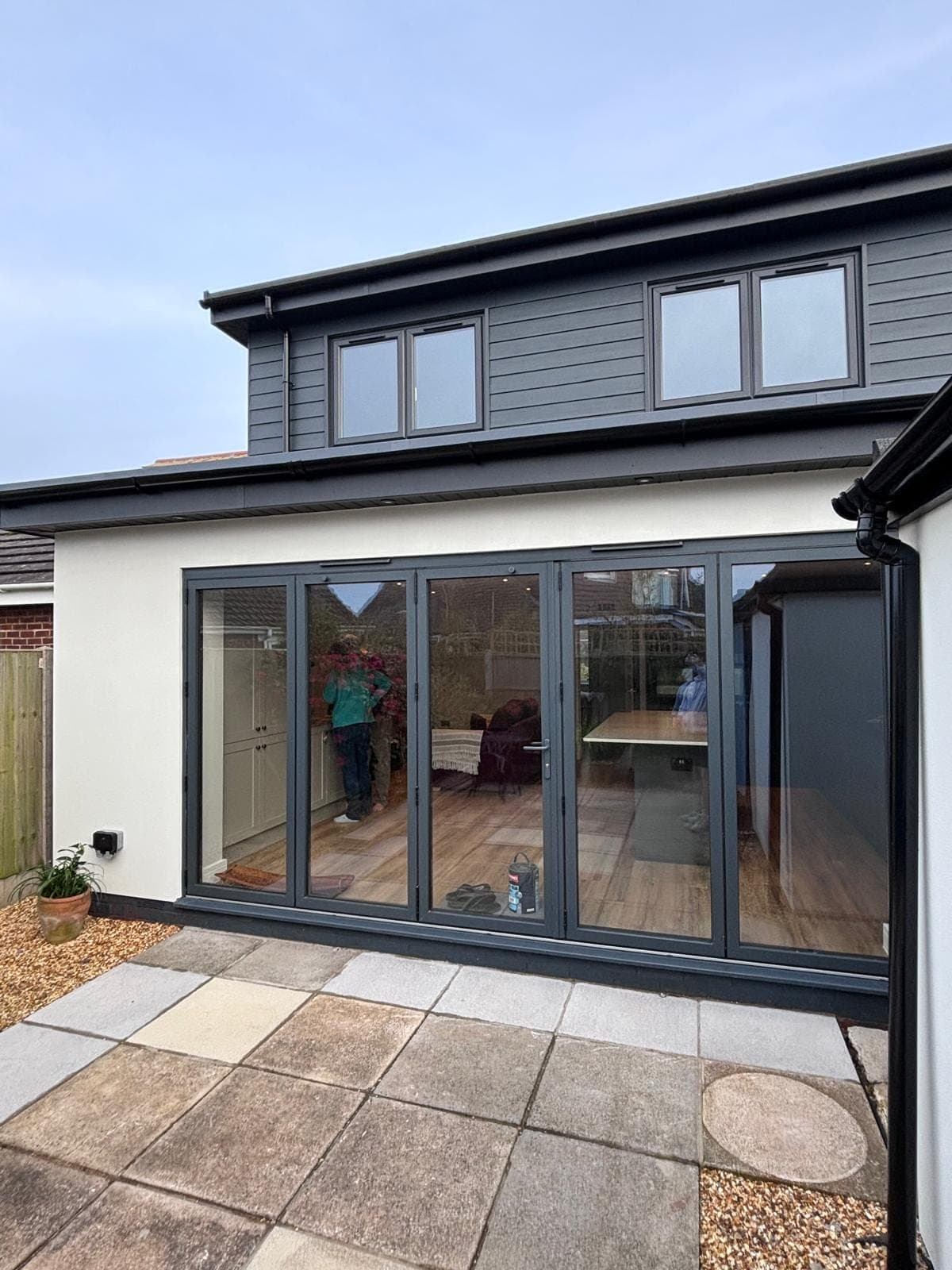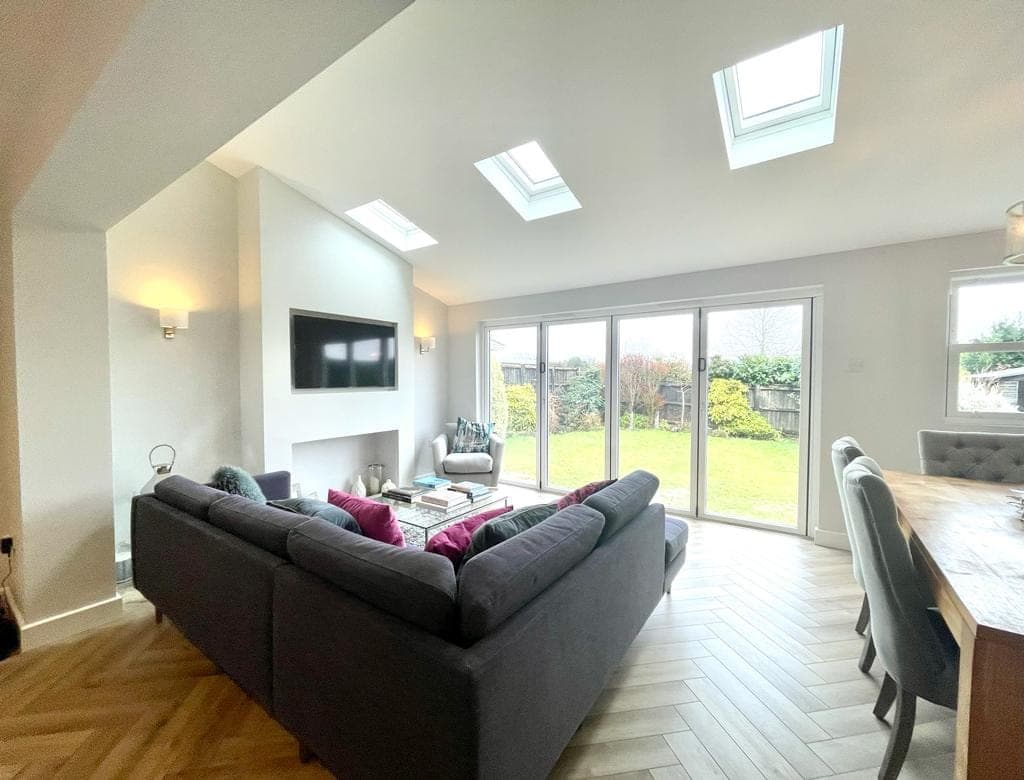
When you are planning building work near a shared boundary, one phrase tends to cause more confusion than almost any other: the party wall agreement. Homeowners across Christchurch and the wider Dorset and Hampshire area often ask us whether they really need one, what it involves, and how long it takes. The good news is that it is far less complicated than it sounds once you understand the basics.
We have worked on countless projects where a party wall matter came into play, from loft conversions on terraced streets to rear extensions that sit right up against a neighbour's boundary. Here is our straightforward explanation of how it all works and what to expect.
What is a party wall agreement?
The Party Wall etc. Act 1996 is a piece of legislation designed to prevent and resolve disputes between neighbours when one of them carries out building work that affects a shared structure or a nearby boundary. A party wall agreement, more formally called a party wall award, is the document that sets out how that work will be carried out, when, and what protections are in place for the neighbouring property.
It is important to understand that this is separate from planning permission and building regulations. You can have full planning approval and still need to sort out a party wall matter before you start. They are three distinct processes that often run alongside each other.
Key takeaway: A party wall agreement is a legal notice and award process that protects both you and your neighbour when building work affects a shared wall or boundary. It is separate from planning permission and building regulations.
When do you actually need one?
The Act covers three main types of work. If your project falls into any of these categories, you will usually need to serve notice on your neighbours.
Work on an existing shared wall
This is the classic party wall situation. If you want to cut into a wall you share with your neighbour, for example to insert a steel beam for an extension, remove a chimney breast, or increase its height, the Act applies. This is very common in the terraced and semi-detached homes we see across Bournemouth and Christchurch.
Building a new wall on or at the boundary
If you are constructing a new wall right up to the line of the boundary, or astride it, that triggers the Act too. Many side and rear extensions run close enough to the boundary to bring this into play.
Excavating near a neighbour's structure
This one catches people out. If you are digging foundations within three metres of a neighbouring building and to a depth lower than their foundations, or within six metres under certain conditions, you need to serve notice. Extensions and some loft conversions with new supporting structures can fall into this bracket.
If your work does not touch a shared wall, sits well away from the boundary, and involves no deep excavation near a neighbour, you may not need an agreement at all. It always pays to check early rather than assume.
Who is your neighbour under the Act?
The person you serve notice on is called the adjoining owner. This is not always the person living next door. If your neighbour rents their home, you may need to serve notice on the freeholder as well as any leaseholder with a long lease. On some properties there can be more than one adjoining owner to consider, particularly with flats. Getting this right at the start saves a great deal of hassle later.
How the process works step by step
The process is more predictable than most people expect. Here is roughly how it unfolds.
Serving notice
You, as the building owner, serve a written party wall notice on your neighbours. The type of notice and the notice period depend on the work. For work on an existing party wall, you generally give two months' notice before starting. For excavation and new boundary walls, it is usually one month. The notice describes the proposed work and includes the relevant details.
Your neighbour's response
Your neighbour then has fourteen days to respond. They can consent in writing, in which case you can proceed and no formal award is needed. They can dissent, which means a surveyor becomes involved. Or they can do nothing, which is treated as a dissent after the fourteen days pass. It is worth talking to your neighbours informally before any notice lands on the doormat. A friendly conversation goes a long way and often leads to a quick consent.
The surveyor and the award
If your neighbour dissents, a party wall surveyor is appointed. You can both agree to use a single surveyor acting impartially, which is simpler and quicker, or each side can appoint their own. The surveyor produces the party wall award, which is the formal document setting out how and when the work will proceed, the condition of the neighbour's property before work starts, and any safeguards required.
The schedule of condition
A sensible surveyor will prepare a schedule of condition, a detailed record, often with photographs, of the neighbouring property before work begins. This protects everyone. If any damage is later claimed, there is a clear baseline to refer back to. We always recommend this even where a neighbour has consented, because it gives real peace of mind on both sides.
How it fits with the rest of your project
A party wall matter should be dealt with in good time, not as an afterthought once the skip has arrived. Because notice periods can run to two months, leaving it late can delay your start date. When we plan a build with clients, we flag any likely party wall issues early so the process can run in the background while other approvals are being sorted.
This is one of the reasons early planning matters so much. It sits alongside the other approvals your project may need, and it is worth understanding how the wider regulatory picture fits together. Our guide to building regulations explained for homeowners is a useful companion read, because party wall matters, planning permission, and building control all need managing as one coordinated effort.
Common misunderstandings we hear
A few myths come up again and again, so let us clear them up.
"My neighbour can stop my project." Not quite. The Act is designed to allow work to proceed while protecting the neighbour. A neighbour cannot simply refuse. If they dissent, the surveyor process determines fair terms, but the work can still go ahead.
"We get on well, so I do not need to bother." Even with the friendliest neighbours, if the work falls under the Act you should serve notice. A good relationship can turn sour if damage occurs and there is no schedule of condition to fall back on. Doing it properly actually protects the friendship.
"It is just paperwork I can skip." Skipping a required notice can leave you exposed. A neighbour could seek an injunction to halt the work, which is far more disruptive and costly in time than doing it correctly from the outset.
Detached homes and larger plots
Not every project needs a party wall agreement. On generously spaced detached homes, particularly in parts of the New Forest and rural Hampshire, extensions often sit comfortably away from any boundary and involve no shared structure. In those cases the Act may not apply at all. That said, foundation depth and proximity still need checking, so do not rule it out purely because your house is detached. We always assess this on a case by case basis when we survey a property.
How we help our clients
We are builders and carpenters, not party wall surveyors, but we have guided many homeowners through this process across Christchurch and the surrounding towns. We help you understand early whether your project is likely to trigger the Act, we build the notice periods into a realistic programme, and we work cleanly and respectfully so that neighbouring properties are protected throughout. Where a surveyor is needed, we work smoothly alongside them so the build stays on track.
If your project involves work near a boundary, such as a rear or side extension, we will talk you through the practical implications before a single tool comes out of the van. Clear communication with neighbours and clear planning are the two things that keep these matters simple.
Getting the details right
Every property is different. The age of the house, whether it is terraced, semi-detached or detached, the depth of your existing and proposed foundations, and the exact position of the boundary all affect whether the Act applies and how. There is no substitute for a proper look at the specifics of your home.
If you are planning building work in Dorset or Hampshire and want honest, practical advice on party wall matters and how they fit into your wider project, we are happy to help. Get in touch through our contact page or call us on 07808 293854 for a friendly, no-pressure conversation about your plans.