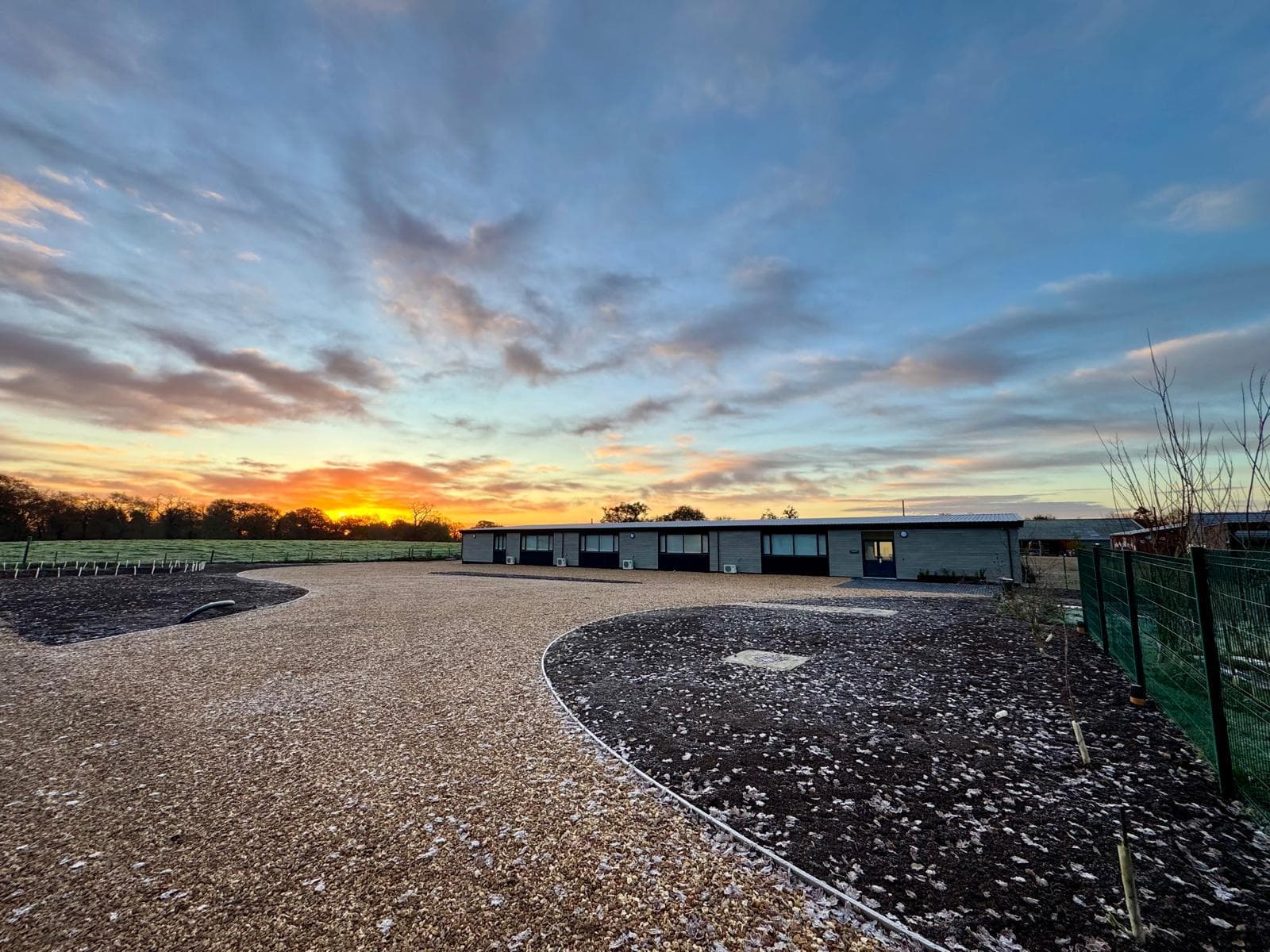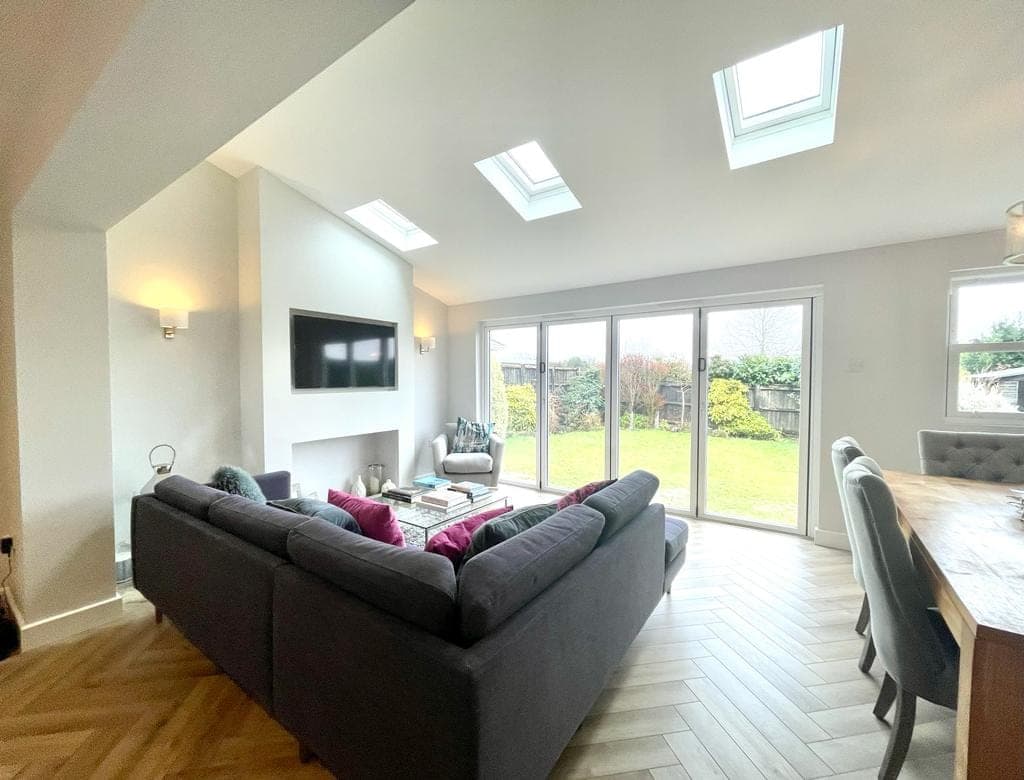
Highcliffe is one of those places where the sea is part of daily life. The light off Christchurch Bay, the walks down to the beach, the clifftop views towards the Needles: it is a wonderful spot to call home. It is also a demanding place to build. The same salt air and exposure that make the coast special also put extra stress on a house and its extension.
We have worked on plenty of coastal properties around here, and the difference between an extension that ages gracefully and one that starts to look tired within a few years almost always comes down to the choices made at the planning and specification stage. Here is what we take into account when extending a home in Highcliffe.
Why coastal extensions need a different approach
An extension a few miles inland can get away with standard materials and fixings. Near the coast, the environment is harsher in ways that are not always obvious until the damage is done.
Salt-laden air corrodes metal faster. Driving rain finds gaps that would never show on a sheltered plot. Wind loading is higher on exposed clifftop and seafront positions. And the ground conditions in parts of Highcliffe, particularly closer to the cliff, can be variable and sandy.
None of this makes a good extension impossible. It just means the specification has to be chosen for the setting rather than lifted from a generic plan.
Key takeaway: A coastal extension in Highcliffe lives or dies on specification. Choosing the right materials and fixings for salt air and exposure is what keeps it looking good and performing well for decades.
Salt air and the materials that cope with it
Salt is the big one. It accelerates corrosion and breaks down finishes that would last far longer inland.
Fixings and metalwork
Standard galvanised fixings can start to rust surprisingly quickly in a marine environment. On coastal jobs we specify stainless steel fixings, brackets and fittings wherever they are exposed or semi-exposed. It is a small part of the overall build but it is the sort of detail that prevents rust streaks running down render and timber a few winters later.
Any external metalwork, from gutter brackets to handrails, benefits from the same thinking. Powder-coated aluminium and marine-grade stainless are far better bets than untreated or lightly protected steel.
Render and external finishes
Render can look fantastic on a coastal home, but it needs to be breathable and well detailed so wind-driven rain does not sit behind it. We pay close attention to beads, stop ends and the junctions around windows, because these are the places where water tries to get in.
For cladding, timber species and treatment matter. Cedar and well-detailed composite boards handle the coast better than cheaper softwoods that will cup and weather unevenly. Whatever the choice, the fixing method and the gaps for airflow behind the cladding are as important as the board itself.
Windows and doors
Exposure and salt are tough on window frames and seals. We tend to favour high-quality aluminium or well-made composite units with good weather ratings for seafront positions. If you are weighing up large glazed openings to make the most of the view, our guide to bi-fold vs sliding doors for your extension goes through the trade-offs in detail.
Weatherproofing for wind and driving rain
It is not just the materials. It is how everything is put together.
Driving rain on an exposed Highcliffe plot behaves differently to rain inland. It comes in sideways, it finds the smallest unsealed gap, and it tests every junction. We build in extra defence at the vulnerable points: good overhangs where the design allows, careful flashing details, robust membranes and sealed service penetrations.
Roof design matters too. Shallow pitches and poorly detailed flat roofs can struggle with wind uplift and wind-driven water. Where we use flat or low-pitch roofs on coastal extensions, we specify high-quality membranes and secure fixing details rated for the exposure.
The aim is a building envelope that keeps the weather firmly on the outside, so the lovely view stays something you enjoy rather than something that batters your home.
Ground conditions near the cliff
Parts of Highcliffe sit on ground that behaves differently from the clay you find further inland. Sandy and variable soils, and proximity to the cliff edge in some locations, mean foundations deserve proper thought rather than assumptions.
For most extensions we recommend trial holes or a site investigation so we know what we are building on before we commit to a foundation design. Sometimes a standard strip foundation is fine. Sometimes a deeper or engineered solution makes more sense. Getting this right at the start avoids expensive surprises once the digging begins.
If your property is close to the clifftop, there may be additional considerations around stability and the local authority's stance. We factor this into early conversations so there are no shocks later.
Planning and the local context
Highcliffe falls under the Bournemouth, Christchurch and Poole council area, and like much of the coast it has pockets where planning is more sensitive. Properties with sea views, those on prominent plots, and any that sit within or near designated areas can all attract extra scrutiny.
That is not a reason to be put off. It just means a well-prepared application that respects the character of the area and the streetscape stands a far better chance. We think about scale, roofline, materials and how the extension sits with neighbouring homes.
Some projects will fall under permitted development and some will need a full application. The right route depends on your property, its history and its location. Our wider extensions service page sets out how we handle design, drawings and the planning process from start to finish.
If you are early in your thinking and want to understand the local building landscape in this corner of the coast, our Highcliffe area page covers how we work across the town and the surrounding villages.
Designing to make the most of the setting
The whole point of extending a coastal home is usually to get closer to the view and the light. The best Highcliffe extensions are designed around that.
Framing the view
We think carefully about where the glazing goes. A wall of glass facing the wrong way can create glare and overheating, while a well-placed opening frames the bay beautifully and brings warmth in during the cooler months. Orientation and shading both play a part.
Managing light and heat
Large south-facing or sea-facing glazing can make a room too hot in summer if it is not thought through. We balance the glazing with the right specification of glass, sensible ventilation and, where helpful, some shading in the design. The goal is a room that is comfortable all year, not just on a mild spring afternoon.
Indoor to outdoor living
Many coastal homeowners want a seamless connection to a terrace or garden so they can step straight out towards the sea air. Level thresholds, durable external surfaces and sheltered outdoor spots all help you actually use that connection, even when the wind is up.
Durability pays for itself
The thread running through all of this is durability. On the coast, cutting corners on specification does not save anything in the long run. It just moves the cost from today into future repairs, repainting and replacement.
We would always rather have an honest conversation at the outset about where the extra robustness genuinely matters. Stainless fixings, proper flashings, breathable finishes and sound foundations are not glamorous, but they are the reason a coastal extension still looks smart after many winters of Channel weather.
Working with a builder who knows the coast
Extending near the sea rewards local experience. Knowing how Highcliffe weather behaves, which details fail when they are skimped, and how the local planning context tends to work all make for a smoother project and a better result.
As a family builder working across Christchurch, Highcliffe and the wider area, we handle the carpentry, the structural work and the finishing ourselves, with a small trusted team. That means the person planning your extension is the same person who understands why a stainless fixing in the right place matters so much on an exposed plot.
If you are thinking about an extension in Highcliffe and want advice grounded in real coastal building experience, we would be glad to talk it through. Get in touch via our contact page or call us on 07808 293854 and we will arrange a time to visit and discuss your plans.