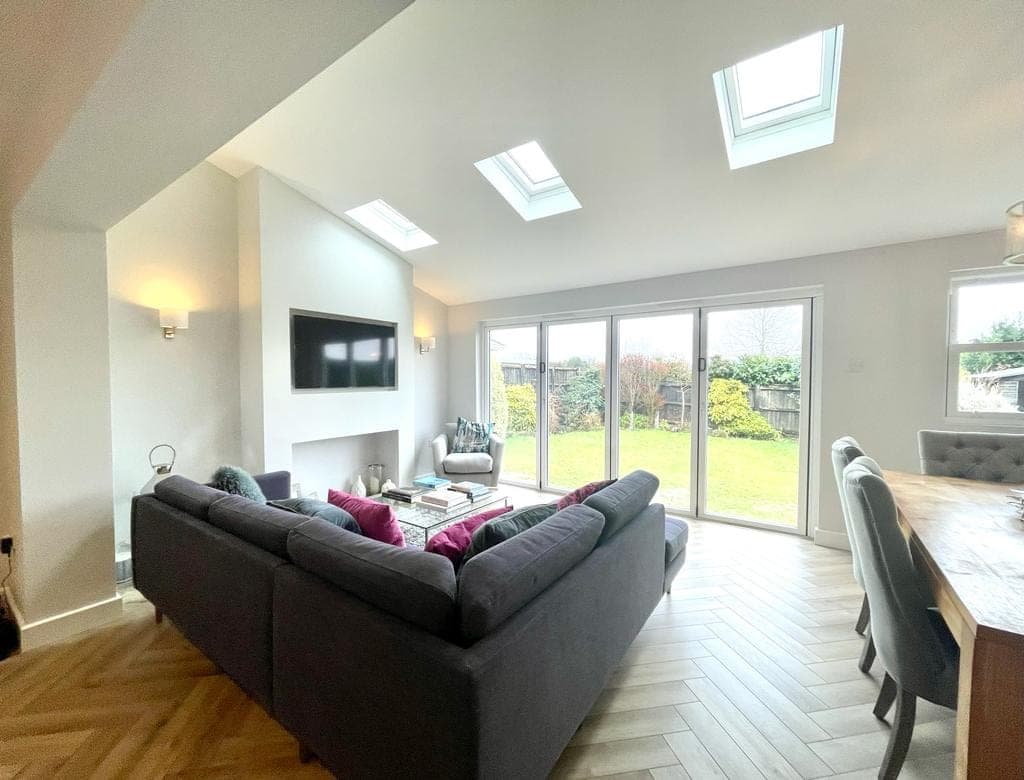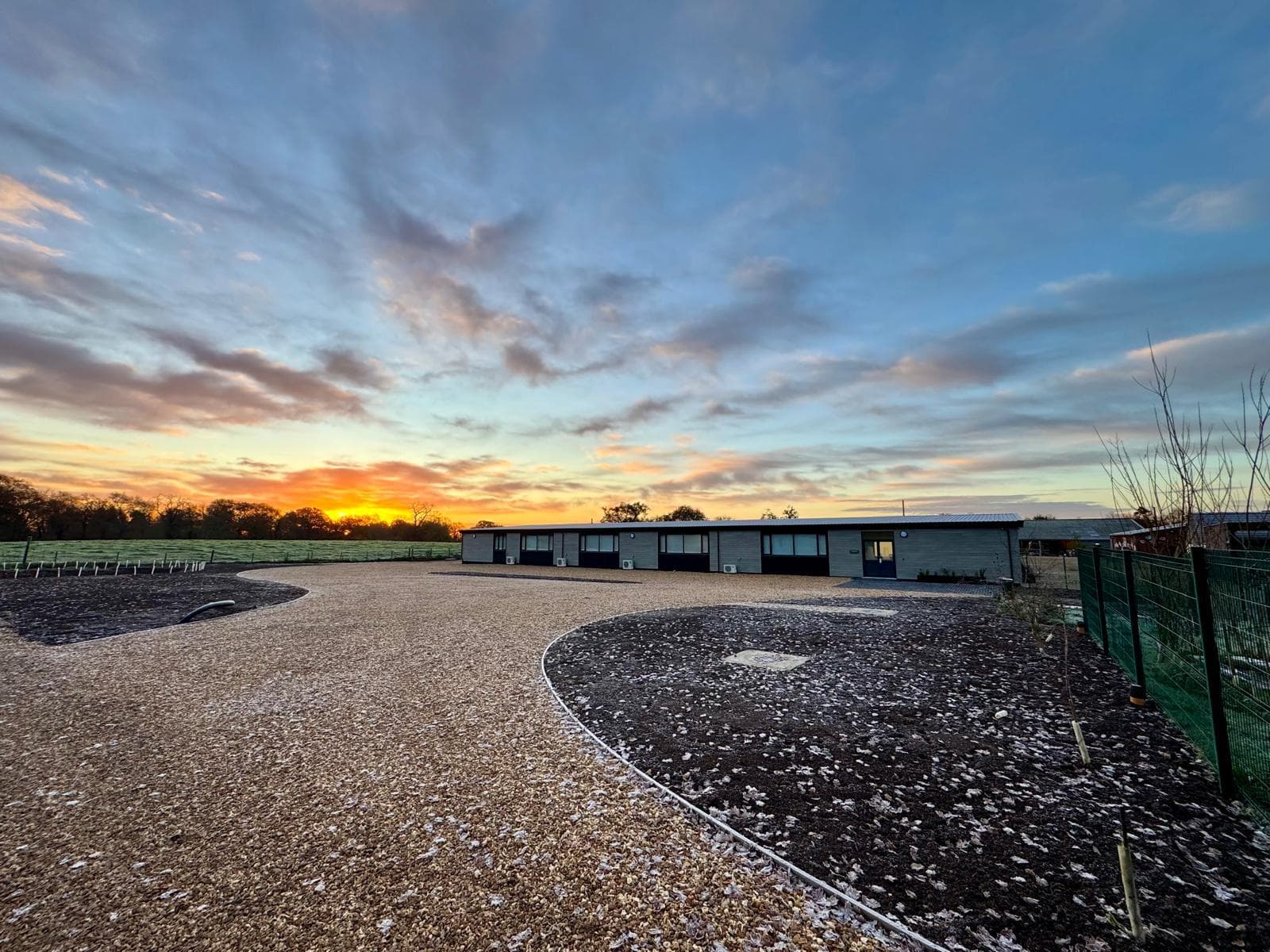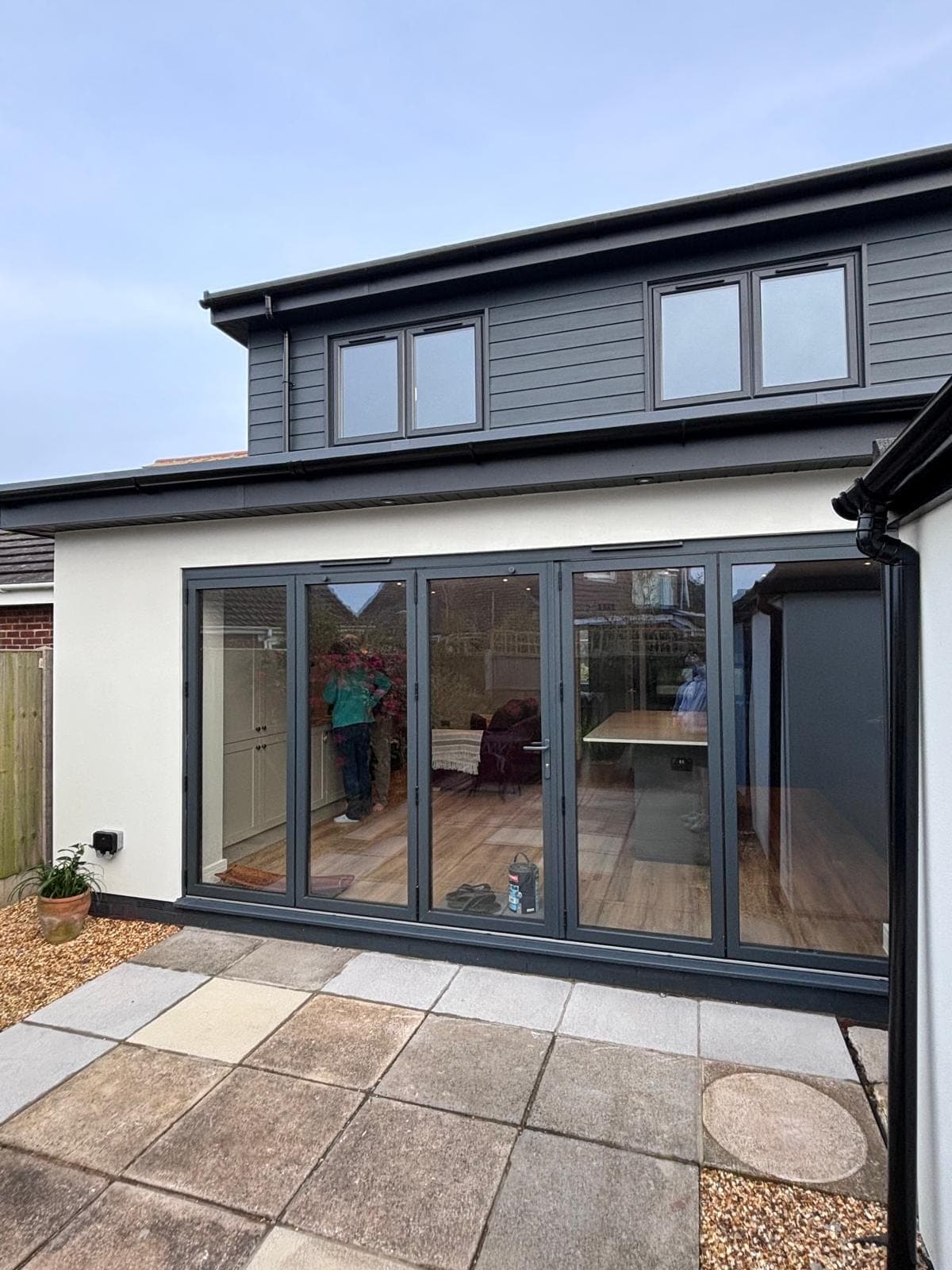
Dorset has some of the most attractive built environments in the south of England, and many of them sit within conservation areas. From the historic streets around Christchurch Priory to the older parts of Wimborne and Lymington, these designations exist to protect the character of a place. If your home falls inside one, building work is still possible, but the rules are tighter and the process needs more care.
We have worked on plenty of projects in conservation areas across Dorset and Hampshire, and the pattern is always the same: good preparation and sympathetic design make the difference between a smooth approval and months of frustration. Here is what you need to know before you start.
What a conservation area actually means
A conservation area is a defined zone that a local authority has decided has special architectural or historic interest worth preserving. It is not the same as having a listed building, though the two can overlap. The designation is about the character of the area as a whole: the rooflines, the materials, the boundary walls, the trees and the general feel of the streetscape.
What this means in practice is that some things you could normally do under permitted development rights are restricted or removed entirely. The council wants to keep an eye on changes that would be visible from the street or that would alter the shared character of the neighbourhood.
How to find out if you are in one
Most Dorset councils publish conservation area maps and appraisal documents online. These appraisals are genuinely worth reading because they describe exactly what the council values about your area, whether that is Georgian brickwork, thatched roofs, or a particular pattern of window design. If you understand what the council is trying to protect, you can design work that fits rather than fights it.
Key takeaway: In a conservation area, the character of the wider street matters as much as your own house, so sympathetic design and the right materials are what get projects approved.
What changes when you build in a conservation area
The biggest shift is that permitted development rights are often reduced. Work that a homeowner elsewhere might do without applying can require full planning permission here.
Extensions and additions
Rear extensions may still be possible, but the allowances are usually smaller and side extensions can be more heavily controlled because they affect the gaps between buildings that give a street its rhythm. Anything that changes the front of the property is looked at very closely.
We always advise checking before assuming. What is straightforward in one part of Dorset can need an application a few streets away. If you are weighing up an extension, our page on extensions explains how we approach design, and in a conservation area that design stage carries even more weight.
Roofs and loft conversions
Dormers are a common sticking point. A large box dormer that would be fine on a modern estate can be refused in a conservation area because it disrupts the roofline. Rooflights are often preferred, and where dormers are allowed they usually need to be modest and positioned at the rear.
Windows and doors
Replacing windows is one of the most sensitive areas. Councils frequently want timber frames rather than uPVC, and they will look at the design of the glazing bars, the depth of the reveals and the overall proportions. Swapping traditional sash windows for something modern can trigger enforcement action even when the original work was done without permission.
Walls, fences and trees
Boundary treatments and trees get special protection. In many conservation areas you must give the council notice before pruning or removing trees, even those in your own garden. Demolishing a boundary wall or a section of a building can also need consent that would not apply elsewhere.
Materials matter more than anything
If there is one lesson we return to again and again, it is that materials make or break a conservation area application. Councils want new work to sit comfortably alongside the old.
That might mean matching existing brick as closely as possible, using lime mortar rather than modern cement on older buildings, or sourcing clay tiles that match the local roofscape. On a rendered cottage it could mean using a breathable lime render rather than a modern acrylic finish that would trap moisture and change the look.
Getting the details right
It is often the small details that a planning officer notices first. The profile of a bargeboard, the way guttering is finished, the pointing style, the reveal depth around a window. Getting these right shows the council you understand the setting, and it makes the finished job look like it belongs.
We spend time on these details because we care about the result, but also because it genuinely helps applications succeed. A well-considered proposal that respects the local vernacular is far more likely to get a positive response.
The application process
Building work in a conservation area usually follows the standard planning route, but with extra scrutiny and sometimes additional consents.
Pre-application advice
Many Dorset councils offer a pre-application service where you can get an early view from a planning officer before you submit. In a conservation area this is often worth doing. It gives you a steer on what is likely to be acceptable and can save you redesigning a scheme after a refusal.
Supporting documents
Expect to provide more detail than a standard application. This can include a heritage or design statement explaining how your proposal responds to the character of the area, along with careful drawings that show materials and details clearly. The better your documentation, the smoother the process tends to be.
Working with neighbours
Conservation area applications attract more public interest, so it pays to talk to neighbours early. A neighbour who understands what you are planning is far less likely to object than one who first hears about it through a formal notice. If your project involves a shared wall, our guide to party wall agreements explains how those obligations work alongside planning.
Common mistakes we see
After years of working on older properties across the region, a few recurring mistakes stand out.
The first is assuming permitted development still applies. Homeowners sometimes start work believing they are within their rights, only to face enforcement. Always check the specific restrictions on your property.
The second is choosing materials on cost or convenience rather than suitability. Modern cement render on an old cottage, or the wrong style of window, can undo the character the area is meant to protect and can lead to problems down the line.
The third is leaving design details until too late. In a conservation area the details are not an afterthought, they are central to whether the scheme works and whether it is approved.
Making sensitive work look effortless
The best conservation area projects are the ones nobody notices. A rear extension that reads as though it has always been there. A loft conversion with rooflights that barely register from the street. New windows that match the originals so closely that the improvement is only obvious from the inside.
That kind of result comes from good carpentry and joinery, careful material selection and an understanding of how older buildings are put together. If your project involves bespoke timber work, our carpentry skills are often what tie a sensitive scheme together, from matching mouldings to hanging traditional doors.
We work throughout the area, and we know the local building styles well. If you are in Christchurch or the surrounding towns and villages, we can help you plan work that respects the setting and stands up to scrutiny.
Bringing it all together
Building in a conservation area in Dorset takes a little more patience and planning, but it is entirely achievable with the right approach. Understand what the council values, design in sympathy with the surroundings, choose materials that match, and get your documentation right.
Do those things and you can improve your home, add space and increase comfort while keeping the character that made you want to live there in the first place.
If you are considering work on a property in a conservation area and want honest, experienced advice, we are happy to talk it through. Get in touch through our contact page or call us on 07808 293854 and we will help you plan a project that fits its setting.