Finding the right builder in the New Forest is a little different from finding one anywhere else. The area brings its own mix of period cottages, thatched roofs, conservation constraints, protected trees and National Park planning rules. A builder who understands all of that will save you time, stress and rework. One who does not can leave you with a project that stalls or falls foul of local requirements.
We work across the New Forest and its surrounding towns and villages, and over the years we have picked up a clear sense of what separates a dependable builder from a risky one. Here is how to choose well.
Understand the local challenges first
Before you even start ringing builders, it helps to understand what makes building in the New Forest specific. The National Park Authority has its own planning function, separate from the district council, and it takes design, materials and setting seriously.
Many properties sit within conservation areas or are listed, which affects what you can change and how. Protected trees are common, and building near them needs care. Even where full planning is not required, permitted development rights are often more restricted inside the National Park than elsewhere.
Why this matters when choosing
A builder who regularly works locally will already know how the New Forest planning process behaves in practice. They will understand the preference for traditional materials, the sensitivity around rooflines and extensions, and the value of getting a scheme right before it goes in front of the authority. That local knowledge is one of the most useful things you can look for.
Key takeaway: The best builder for a New Forest project is one who understands National Park planning, conservation constraints and traditional construction, not just general building work.
Check they actually work in the area
Plenty of builders will travel for a job, but there is a real difference between passing through and genuinely working across the New Forest week in, week out. A local builder has established relationships with suppliers, subcontractors, building control and the planning teams.
Ask directly how many projects they have completed in and around the National Park. Ask which villages and towns they know. If someone has worked in places like Lymington, Brockenhurst, Sway and Lyndhurst, they will speak about the practical realities with confidence rather than vague reassurance.
We cover the wider area too, and you can see more about how we support homeowners in the New Forest and surrounding communities.
Look at real, relevant work
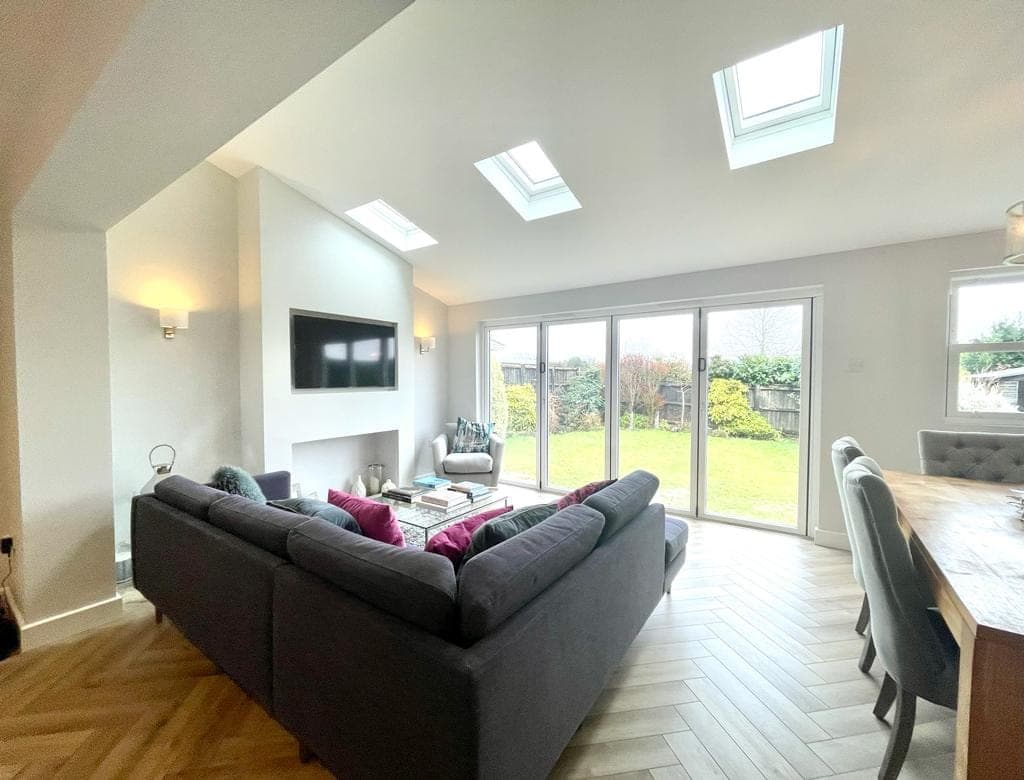
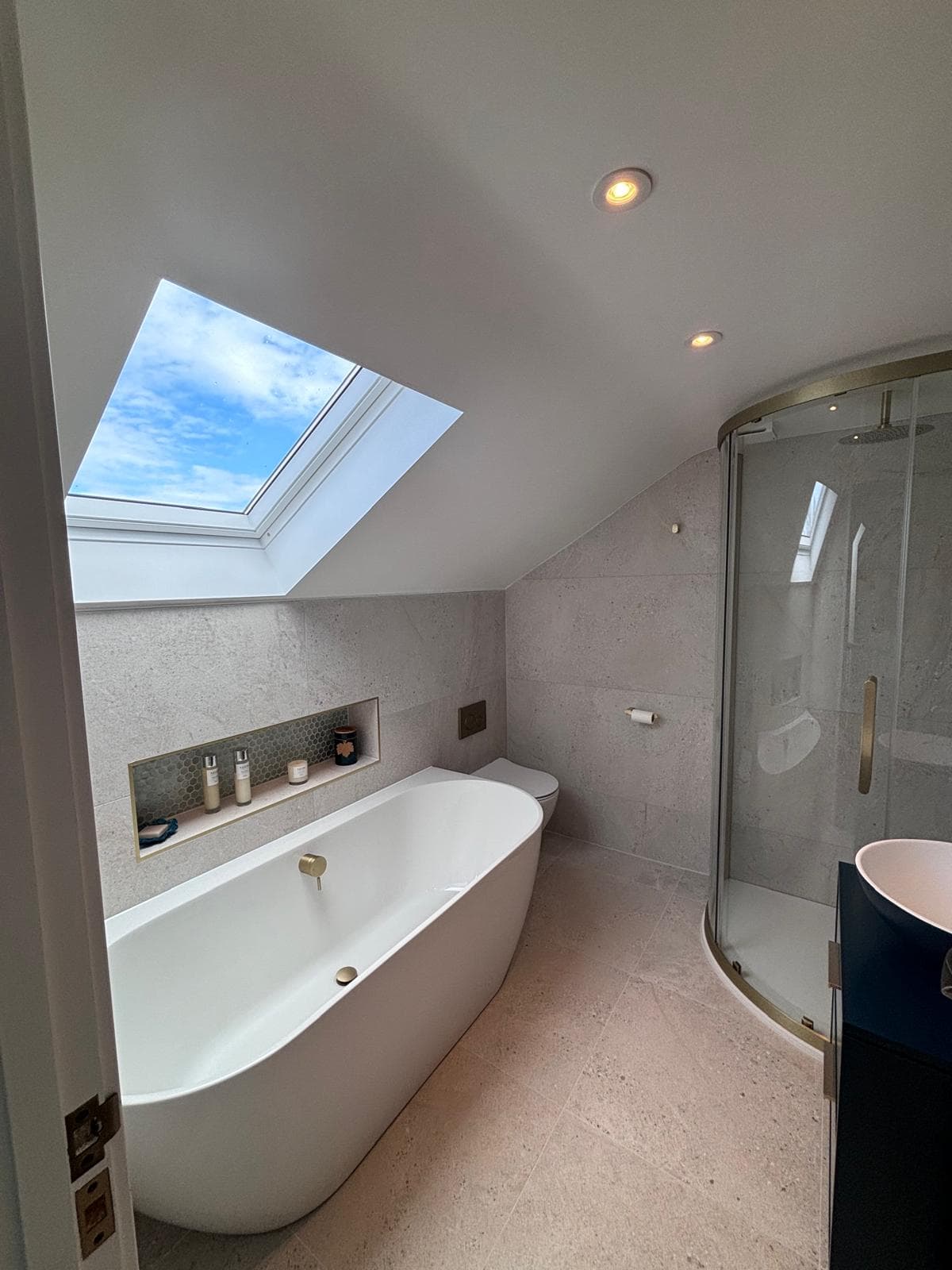
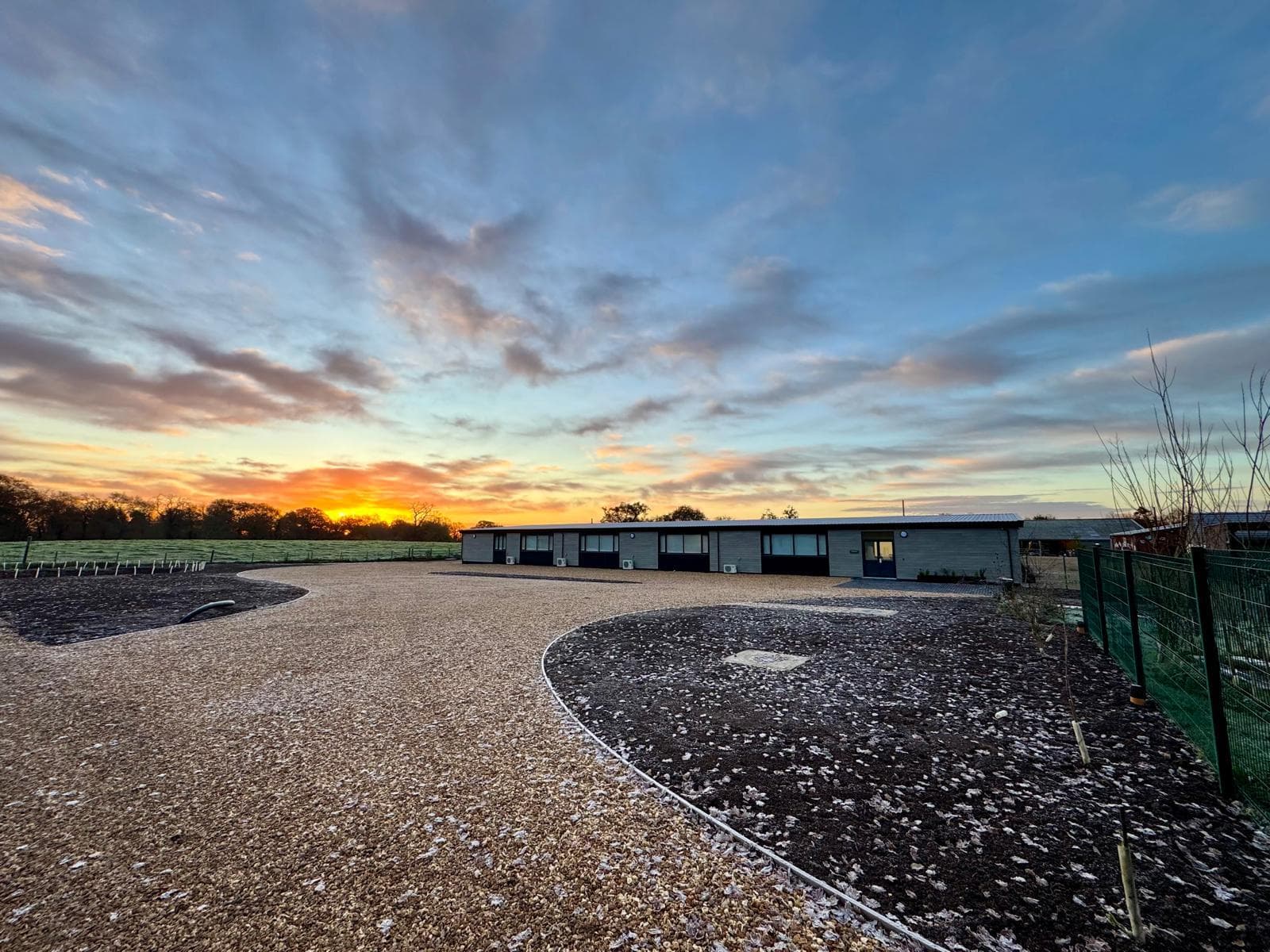
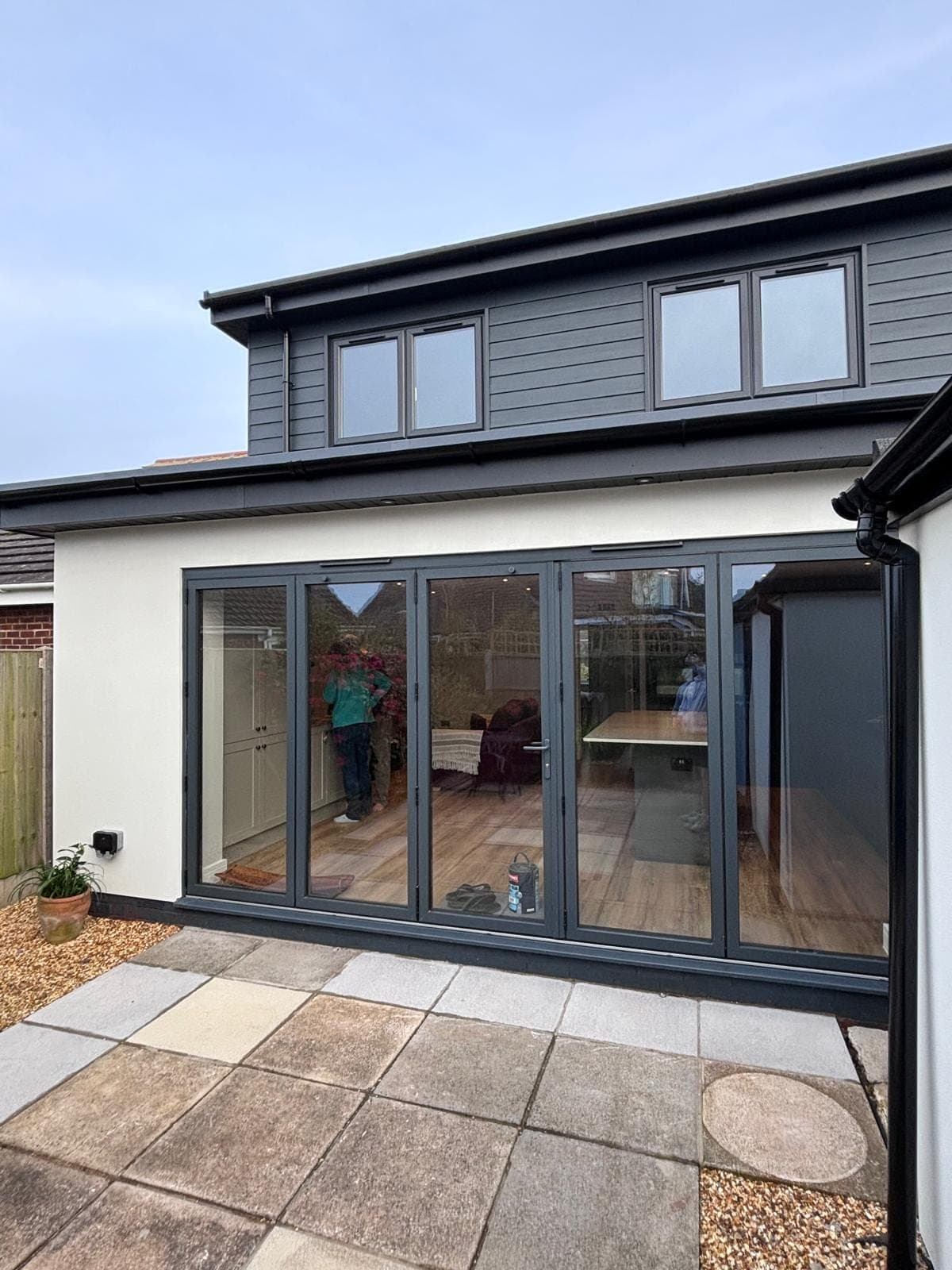
A portfolio is only useful if it matches your project. A builder might have beautiful photos of modern new builds, but if your home is a listed cottage with a thatched roof, that experience is less relevant.
What to ask to see
- Projects on similar property types to yours, whether that is a period home, a barn conversion or a traditional brick house
- Work that involved planning or conservation approval
- Finished carpentry and joinery, since this is where quality really shows
- Before and after examples so you can judge the transformation, not just the tidy final shot
Good builders are proud of their work and happy to show it. Be cautious of anyone who cannot produce recent, local examples.
Speak to previous clients
References remain one of the most reliable ways to judge a builder. Ask for two or three recent clients and actually call them. Homeowners who have been through a project will tell you things a website never will.
Useful questions to ask a past client:
- Did the work finish close to the agreed timescale?
- How did the builder handle problems or changes?
- Were the site and their home kept clean and safe?
- Would they use the same builder again?
If a builder hesitates to provide references, treat that as a warning sign. We are always glad to connect prospective clients with people we have worked for locally.
Judge how they communicate
A build is a relationship that can last weeks or months. How a builder communicates before you commit is usually a good preview of how they will behave once work begins.
Do they reply promptly? Do they listen to what you want rather than pushing their own preferences? Do they explain things clearly, including the parts you might not want to hear? A builder who is honest about constraints early on is far more valuable than one who agrees to everything and then finds problems later.
Watch for how they handle uncertainty
Older New Forest properties often hide surprises behind walls and under floors. A trustworthy builder will talk openly about how they deal with the unexpected, how decisions get made and how they keep you informed. Vague answers here tend to become bigger problems on site.
Confirm insurance, qualifications and the paper trail
This part is not glamorous, but it protects you. Ask for proof of public liability insurance and check it is current. For structural work, confirm how building control will be handled and who is responsible for arranging inspections.
A clear written scope of work matters enormously. It should set out what is included, what is not, the sequence of work and how variations will be agreed. This is not about distrust, it is about both sides having the same understanding.
Before you sign anything, it is worth working through a proper set of questions. Our guide to the questions to ask before hiring a builder covers the essentials in more detail.
Think about the type of work you need
Builders often specialise. Some focus on large extensions, others on renovations, loft conversions or fine carpentry. Matching the builder to the job gives you the best result.
If your New Forest project centres on bespoke joinery, restoring period features or fitting out a sympathetic new space, strong carpentry skills should be high on your list. As a family firm rooted in carpentry, this is something we care deeply about, and you can read more about our approach to carpentry work.
Single point of responsibility
For most homeowners, having one team responsible for the whole project is far less stressful than coordinating separate trades yourself. A main builder who manages the sequence, the subcontractors and the finish removes a huge amount of pressure from your shoulders.
Be realistic about timescales
Good builders are usually booked up in advance, especially those with a strong local reputation. If someone can start immediately with no prior notice, ask yourself why they have no work lined up.
Be wary of promises that sound too fast or too cheap. Quality work in a sensitive setting like the New Forest takes proper time, particularly where planning approval or careful conservation methods are involved. A builder who gives you an honest, considered timescale is showing respect for the work and for you.
Trust your instincts
Beyond all the checks, pay attention to how you feel. You will be inviting this team into your home, sometimes for months. If a builder is respectful, straightforward and genuinely interested in your project, that counts for a great deal.
Meet in person if you can. Walk them through your home and your ideas. A builder who asks good questions, takes notes and offers thoughtful suggestions is one who cares about getting it right.
Bringing it together
Choosing a builder in the New Forest comes down to a handful of clear principles. Look for genuine local experience and an understanding of National Park and conservation rules. Check relevant work and speak to past clients. Judge communication early, confirm insurance and a written scope, and match the builder to the type of project you have.
Get those things right and you set your project up to run smoothly from the first conversation to the final finish. Get them wrong and you risk delays, disputes and disappointing results.
We are a family builder and carpentry firm who take real pride in doing careful, honest work across the New Forest, Dorset and Hampshire. If you are planning a project and want to talk it through with people who know the area, we would be glad to help.
Get in touch through our contact page or call us on 07808 293854 to arrange a conversation.