Adding an extension is one of the most effective ways to gain the space your growing family needs without the upheaval of moving. Across Bournemouth we see the same thing time and again: a well-built extension transforms how a house works, brings in light, and adds lasting value. But the process has plenty of moving parts, and getting the early decisions right saves a great deal of stress later.
Here is what we have learned from years of building extensions across Bournemouth and the wider area, and what you genuinely need to know before you begin.
Start with what you actually need
Before anyone draws a plan, it pays to be clear about the problem you are solving. Are you short on kitchen and dining space? Do you need a downstairs bedroom or a home office? Is the house dark at the back?
A good extension answers a real need rather than simply adding square footage. We often visit homes where the owners assumed they needed a large rear extension, when a smaller, cleverer layout would have delivered the same result with less disruption and a better flow to the garden.
Think about how you use each room morning to evening. Where the sun falls, where you gather, and where the house feels cramped. These everyday observations shape a far better brief than a wishlist copied from a magazine.
Single storey or two storey?
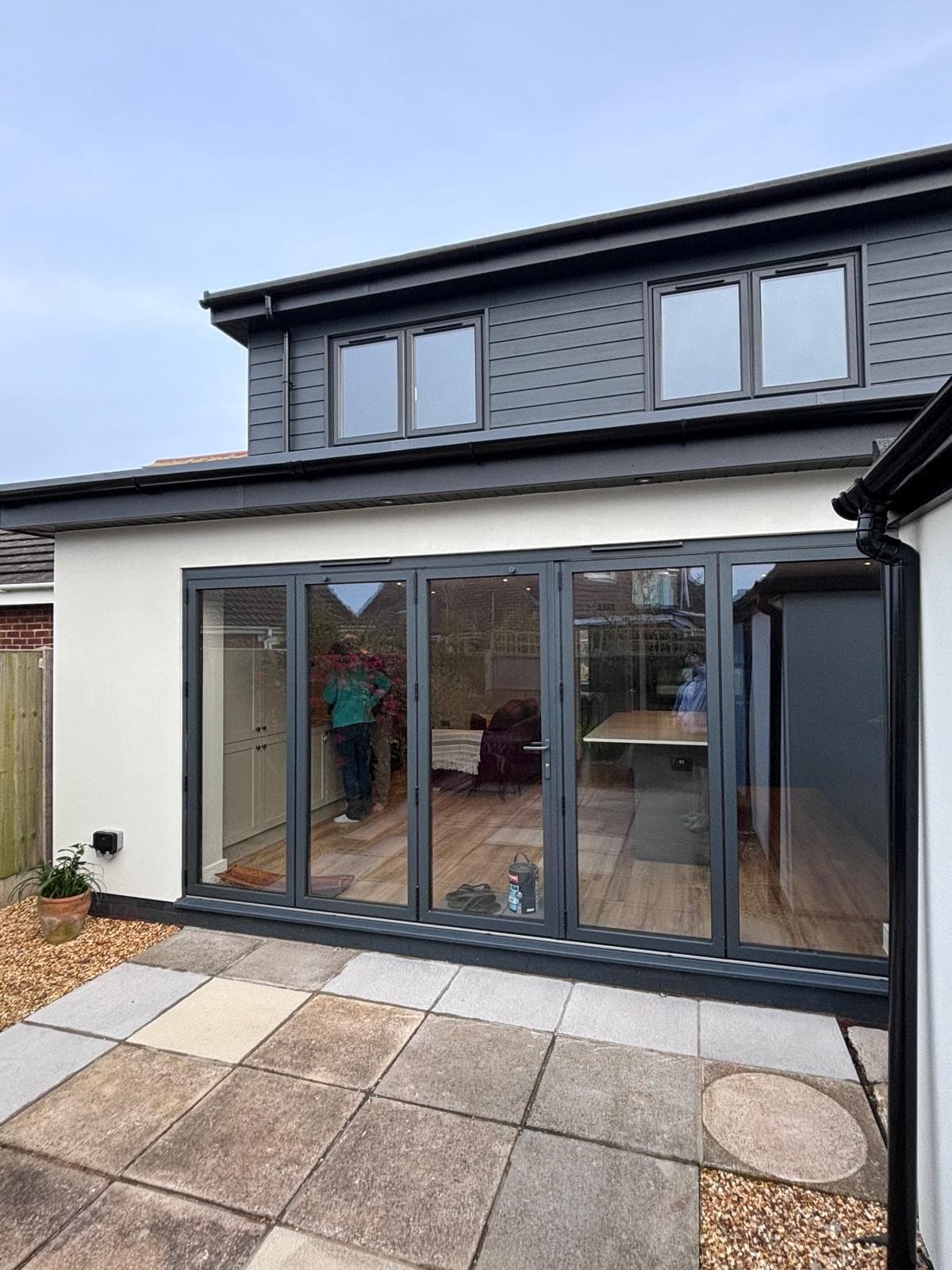
Single storey rear extensions remain the most popular choice in Bournemouth, particularly for opening up kitchens onto the garden. Two storey extensions offer more space for the footprint but bring extra structural and planning considerations. Wraparound designs, combining side and rear, can work beautifully on the right plot. Each has its place, and the best answer depends on your house and your budget priorities.
Understanding planning in Bournemouth
Many extensions can proceed under permitted development rights, which means you may not need full planning permission. That said, the rules have limits on height, depth and how much of your plot you can build on, and they differ for detached, semi-detached and terraced homes.
Bournemouth, Christchurch and Poole Council administer planning for the area, and there are local factors to watch. If your property sits within a conservation area, or is close to the seafront, or has an Article 4 direction attached, permitted development rights may be restricted or removed entirely. Listed buildings need particular care.
We always recommend confirming your position early rather than assuming. A Lawful Development Certificate gives you formal reassurance that your project is permitted development, which is worth having when you come to sell.
Key takeaway: Sort out your planning position before you commit to a design. Knowing whether you need permission, and what local restrictions apply, shapes every decision that follows.
If a full application is required, allow time for the process. Neighbour consultation and validation take weeks, and a rushed application with gaps often comes back for more information. We help clients navigate this and work with trusted local architects and designers who know how the council operates.
Building regulations are not optional
Planning permission and building regulations are two separate things, and this catches people out. Even where you do not need planning permission, your extension must still comply with building regulations covering structure, insulation, fire safety, drainage, ventilation and more.
This is where the quality of construction really shows. Foundations sized correctly for the ground, steel beams specified by a structural engineer, proper damp proofing and insulation that meets current standards. These are the parts you never see once the plaster is on, but they are the parts that matter most.
A building control inspector, either from the council or an approved private inspector, signs off the work at key stages. We build to those standards as a matter of course, and we handle the inspection coordination so nothing stalls.
Ground conditions around Bournemouth
The soil and geology across our region vary more than people expect. Parts of Bournemouth sit on sandy, free draining ground, while other areas have clay that shrinks and swells with the seasons. Trees nearby can affect foundation depth, as can old drains or made ground on plots that were developed decades ago.
This matters because foundations must suit the ground beneath them. On some sites a standard trench fill foundation is fine. On others we may need deeper foundations or a different approach entirely. A proper assessment early on avoids nasty surprises once the digger arrives.
We have worked on enough plots across the area to know that no two are identical. Coastal properties can also face wind and exposure considerations that inland homes do not. Local experience counts here, which is one reason to choose builders who know Bournemouth ground rather than a firm travelling in from far away.
Getting the design and flow right
The most common regret we hear is not about the size of an extension but about how it connects to the existing house. An extension that feels tacked on, with an awkward step or a dark corridor linking old to new, never quite satisfies.
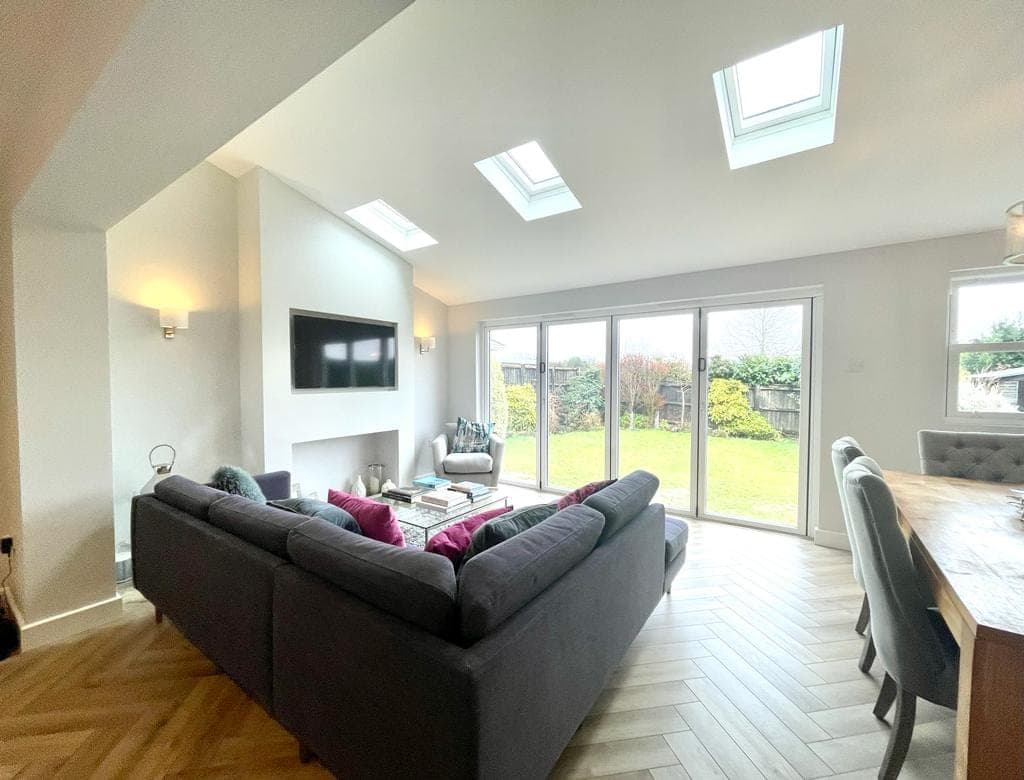
Good design blends the two so the join is seamless. Consider ceiling heights, floor levels, sightlines through the house, and where natural light enters. Rooflights and glazed doors can make even a modest extension feel generous and bright, which suits our coastal light beautifully.
Think too about the rooms you are extending from. Knocking through often means adding a supporting steel, and the position of that beam affects the whole feel of the open space. These details are worth working through carefully at the drawing stage rather than on site.
If you are still weighing up your options for how to extend, our guide comparing a rear extension vs side extension walks through the trade-offs in more detail.
Choosing extension builders in Bournemouth
The team you appoint will shape your entire experience. An extension is a significant undertaking, and you will be living alongside the work for weeks or months. Trust, communication and craftsmanship matter enormously.
Look for builders who show you real examples of completed extensions locally, who explain their process clearly, and who put things in writing. Ask how they manage the site, how they protect the rest of your home, and who your point of contact will be day to day.
A proper written quotation should break down what is included and what is not, so you can compare like for like. Be wary of anything vague. Clear documentation at the start prevents disputes later.
Questions worth asking
Before you sign anything, ask about their schedule and current workload, their approach to unexpected issues, and how they handle changes you might request mid project. Ask to speak to past clients. A confident, established builder will welcome these questions rather than dodge them.
We cover this in more depth in our post on the questions to ask before hiring a builder, which is worth reading before you meet anyone.
What the build actually involves
Once work starts, an extension follows a fairly predictable sequence. Setting out and foundations come first, then the shell rises: brickwork or blockwork, the structural steels, and the roof made watertight. Only then do the internal trades move in.
First fix carpentry, electrics and plumbing run through the structure. Plastering follows, then second fix, where doors, skirtings, sockets, sanitaryware and kitchens go in. Finally decoration, flooring and the finishing touches that make the space yours.
Weather can affect the early groundwork and roofing stages, which is simply part of building in a coastal county. A well run site keeps momentum by sequencing trades sensibly and ordering materials ahead of need. As experienced carpenters, we take particular pride in the carpentry elements, from structural timber through to the joinery and finishing that give an extension its quality feel.
Living through the work
Be realistic about the disruption. If you are extending the kitchen, plan for a temporary cooking setup. Dust, noise and reduced access are unavoidable for a while, though a considerate team minimises the impact and keeps the rest of your home clean and secure.
Good communication makes all the difference. Regular updates, clear expectations about what happens each week, and someone you can raise concerns with keep the experience positive. We treat every home as if it were our own, because a family builder should.
Adding value beyond the space
A well designed, properly built extension does more than add rooms. It improves how the whole house feels and can genuinely enhance its value, particularly in a sought after area like Bournemouth. Buyers respond to bright, well connected living space and quality workmanship.
The key is building something that suits the house and the location rather than overextending or cutting corners. Quality endures. A cheap job that needs redoing is no saving at all.
If you want to see how our full building service comes together on larger projects, our extensions page gives an overview, and if you are based nearby our Bournemouth area page covers the local service in more detail.
Ready to talk it through
Every extension starts with a conversation about your home, your needs and what is possible on your plot. We are always happy to visit, take a look and give honest, practical advice with no pressure.
To discuss your extension with experienced local builders, get in touch or call us on 07808 293854. We would be glad to help you plan the right space for your family.