A loft conversion is one of the smartest ways to add space and value to a Dorset home, you're using room you already have, without losing a single inch of garden. But before the work starts, almost every homeowner asks the same thing: do I need planning permission?
The good news is that most loft conversions in Dorset don't need full planning permission. Many fall under what's called permitted development. But there are important exceptions, so let's walk through it properly.
Permitted development: what it means
Permitted development rights let you carry out certain building work without a full planning application. A lot of loft conversions qualify, as long as they stay within set limits. The main ones are:
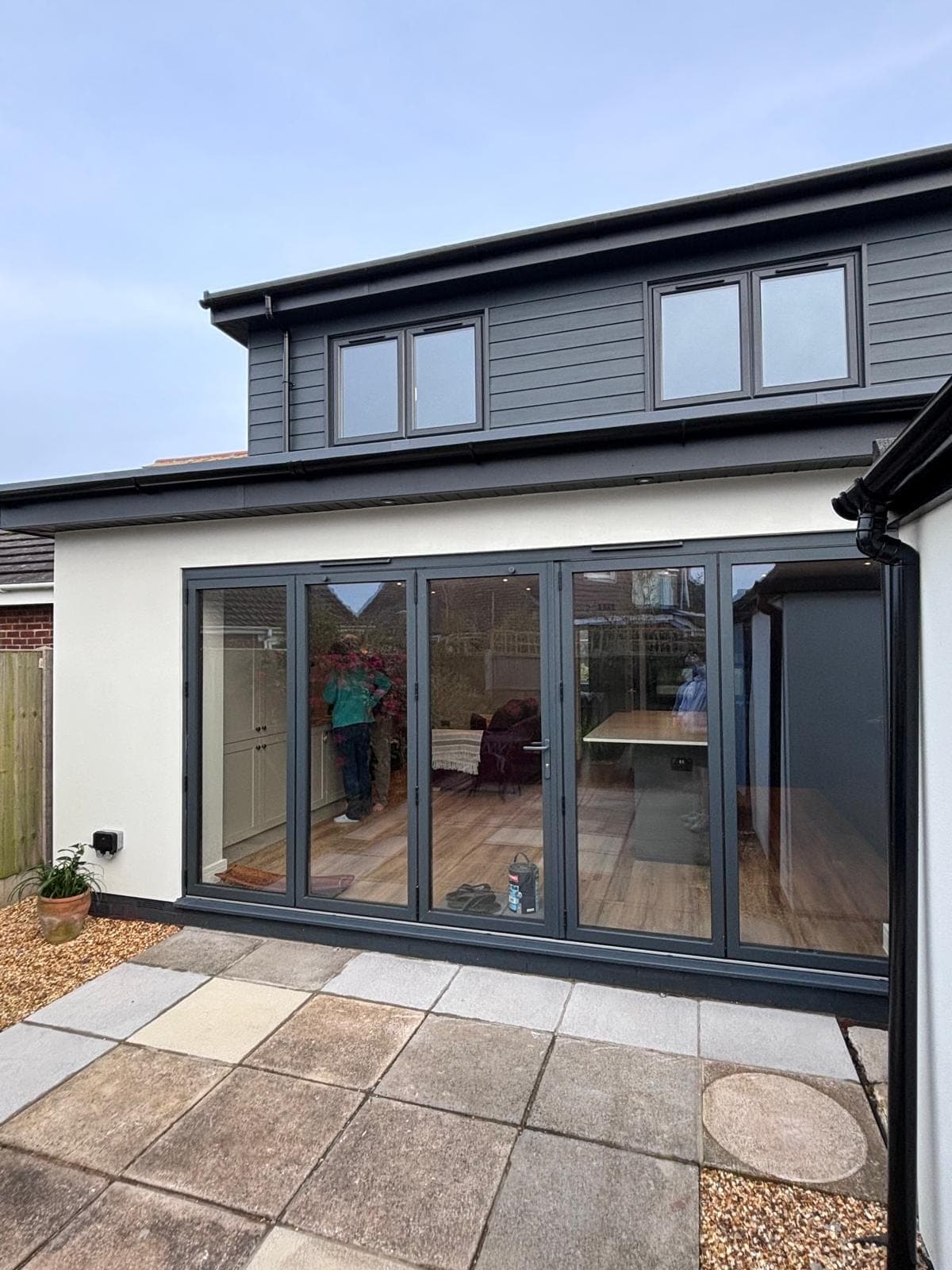
- Volume limits — up to 40m³ of additional roof space for a terraced house, or 50m³ for a detached or semi-detached home
- No extension beyond the existing roof slope on the side that faces the road
- Materials that are similar in appearance to the existing house
- No raising of the roof higher than the existing ridge
- Set-back dormers — any side dormer windows must be set back from the eaves and use obscure glazing if they overlook a neighbour
If your conversion stays inside these limits, you generally won't need full planning permission, though we'd always recommend confirming it.
When you will need planning permission
You're more likely to need a full application if:
- Your home is a flat or maisonette (permitted development doesn't apply)
- You live in a conservation area, and there are several in Dorset, including parts of Christchurch and Wimborne
- Your property is a listed building
- Your permitted development rights have been removed, which sometimes happens on newer estates
- The conversion exceeds the volume limits above
A dormer that faces the street, or a hip-to-gable conversion that changes the shape of the roof, can also tip you into needing permission. Every home is different, which is exactly why we check this for you before any work begins.
Don't forget building regulations
Here's the part people often miss: even when you don't need planning permission, you almost always need building regulations approval. These are separate things.
Planning permission is about whether you can build it. Building regulations are about whether it's built safely. For a loft conversion, building control will look at:
- Structural strength — new floor joists and the support for the roof
- Fire safety — protected escape routes, fire doors and often mains-powered smoke alarms
- Stairs — a proper, permanent staircase (a loft ladder won't pass)
- Insulation and ventilation — meeting current energy standards
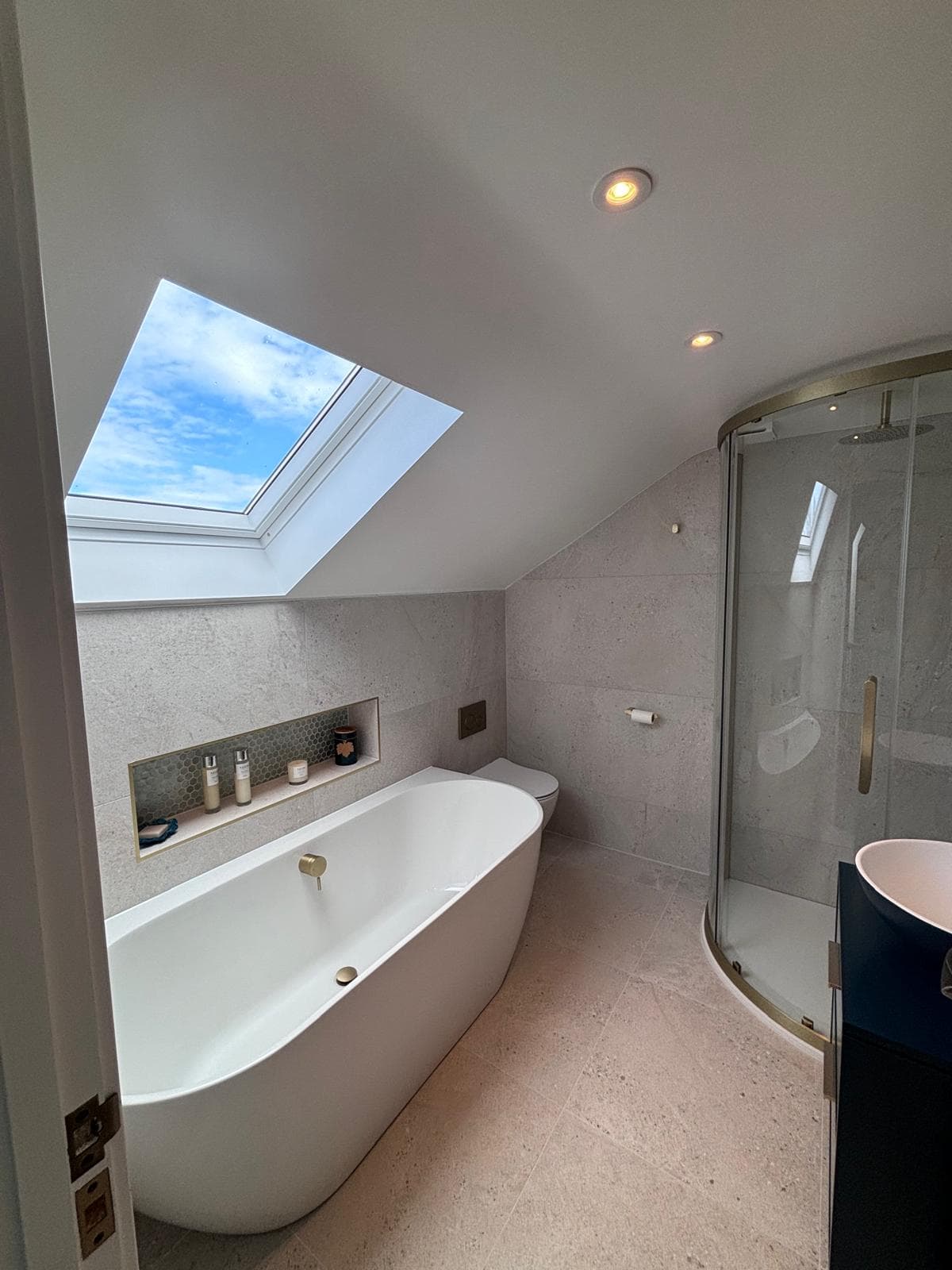
- Head height — you generally want around 2.2m at the highest point to make a comfortable room
We manage building control sign-off as part of the project, so you don't have to think about it. You can see how we handle the full process on our loft conversions page.
A Certificate of Lawful Development
Even when your conversion is permitted development, it's often worth applying to the council for a Certificate of Lawful Development. It's not planning permission, it's a formal confirmation that your project was lawful. It costs less than a full application, and it's invaluable when you come to sell, because buyers and their solicitors will ask for it.
How long does the process take?
If your conversion is permitted development, you can move fairly quickly, the main wait is building control rather than planning. If you do need full planning permission, allow around eight weeks for a decision once the application is in. We factor all of this into the programme so your timeline is realistic from day one.
The bottom line
Most Dorset loft conversions can be done under permitted development, but conservation areas, flats, listed buildings and larger dormers are the common exceptions, and building regulations apply either way. The safest approach is to have someone who does this every week look at your specific property.
If you're planning a loft conversion in Dorset and want to know exactly where you stand, get in touch for a free, no-obligation quote or call Finn on 07808 293854. We'll tell you straight what's possible and handle the paperwork for you.
Related reading: What to Expect During a Full House Renovation: Week by Week and 10 Questions to Ask Before Hiring a Builder in Dorset.